Why Your Characters Deserve Intersectionality: Going Beyond Representation
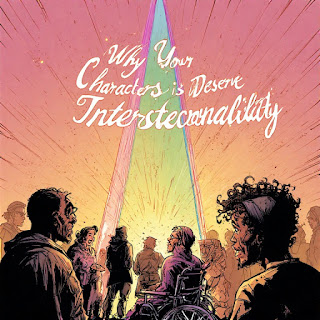
Because we’re more than one thing. And so are our stories. We’ve come a long way when it comes to representation in media, but visibility alone isn’t justice. A single queer character, a disabled sidekick, or a BIPOC love interest might tick the “diversity box,” but that doesn’t mean the work is done. It doesn’t even mean it’s started. True inclusion isn’t about optics. It’s about reflecting the complex, interwoven realities people live every day. That’s where intersectionality steps in—not as a buzzword, but as a framework for writing characters who breathe. 1. What Is Intersectionality, Really? The term intersectionality was coined by legal scholar Kimberlé Crenshaw in 1989 to describe how systems of oppression—like racism, sexism, ableism, and transphobia—overlap and intensify each other. She used the term to highlight how Black women face unique struggles that can’t be fully understood by looking at race or gender alone. In storytelling, this matters more than m...